How Frequency Exposure Literally Rewires Your Brain
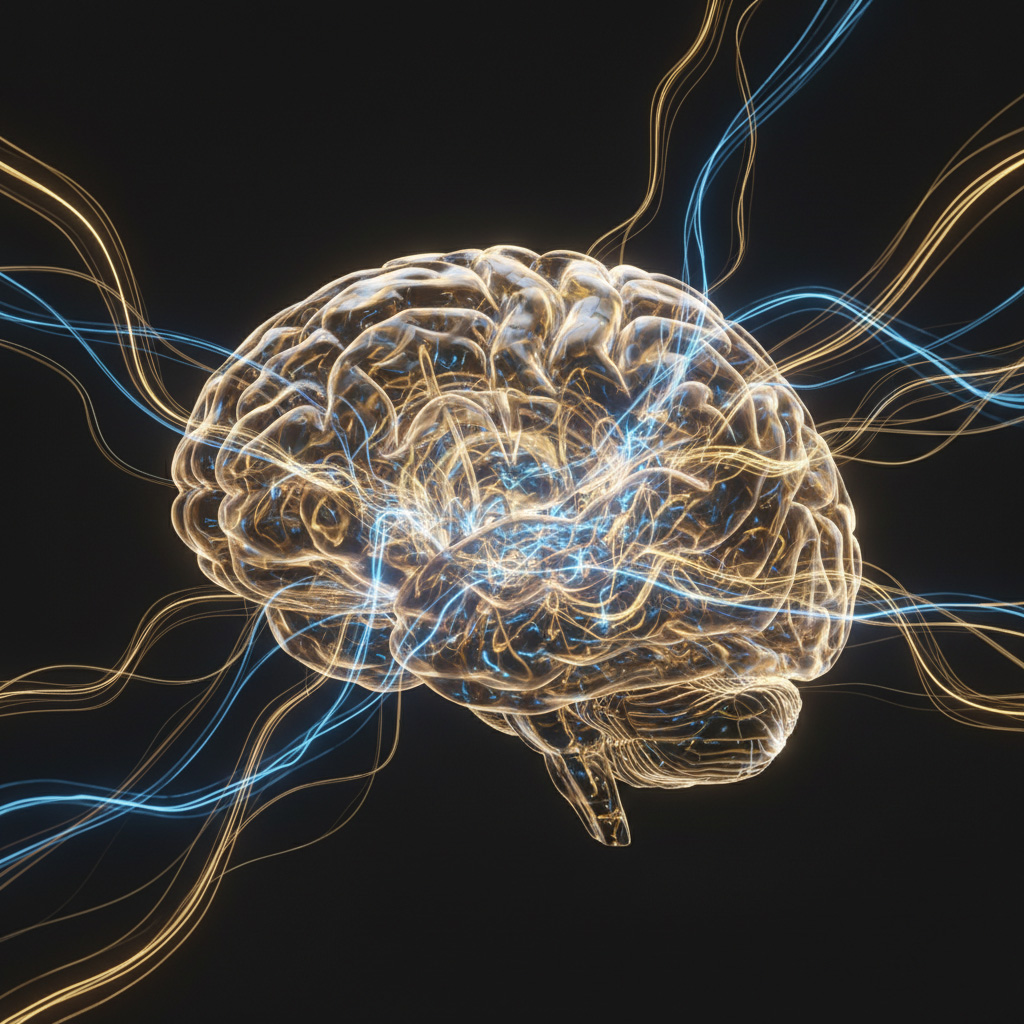
Your brain is not fixed. It's not a static computer programmed in childhood and running the same software until death. It's a dynamic, ever-changing organ that reorganizes itself based on experience - a phenomenon called neuroplasticity.
And one of the most powerful - yet underutilized - tools for deliberately directing your brain's reorganization is sound frequency exposure.
Consistent exposure to specific sound frequencies creates measurable, structural changes in your brain's architecture, chemistry, and functional connectivity. Understanding this mechanism reveals why frequency healing can produce lasting transformation rather than just temporary states.
Neuroplasticity 101 - The Brain That Changes Itself
For most of the 20th century, neuroscientists believed the adult brain was essentially fixed - neurons you were born with gradually died, and that was that. Learning occurred through strengthening or weakening existing connections, but no fundamental reorganization happened after childhood.
That paradigm is dead.
Modern neuroscience has thoroughly documented that the adult brain undergoes continuous structural remodeling throughout life:
- Neurogenesis: New neurons form, even in adults (especially in the hippocampus, involved in learning and memory).
- Synaptogenesis: New connections between neurons form constantly based on experience and learning.
- Synaptic pruning: Unused connections weaken and dissolve (“use it or lose it” at the neural level).
- Cortical reorganization: Brain regions can reassign their functions based on demand (famously, blind people's visual cortex repurposes for enhanced auditory processing).
The principle: Neurons that fire together wire together. Whatever you repeatedly experience, think, or practice becomes encoded as strengthened neural pathways. Your brain literally reshapes itself around your repeated patterns of activation.
Sound as Neuroplastic Stimulus: The Mechanisms
How does sound - specifically frequency exposure - trigger neuroplastic change?
1. Brainwave Entrainment Creates New Baseline States
When you expose your brain to specific frequencies through binaural beats, isochronic tones, or rhythmic sound, your brainwaves entrain (synchronize) to that frequency. This is the frequency following response, documented extensively through EEG research.
- Acute effect: During a single session, your brainwaves shift to match the external frequency. If you listen to an 8 Hz alpha binaural beat, within 5-10 minutes your brain increases alpha wave production.
- Chronic effect: Here's where neuroplasticity enters. If you entrain to alpha states daily for 30 days, your brain begins producing more alpha waves even when you're not listening. You've trained your brain to access that state more readily.
Why this works: Repeated activation of specific neural firing patterns strengthens those pathways. Your brain becomes more efficient at producing the brainwave state you've been practicing. The entrainment becomes less necessary as the state becomes your new baseline.
Research evidence:
- Wahbeh et al. (2007) found that consistent theta-delta binaural beat use for 60 days created lasting improvements in sleep quality, suggesting sustained changes in brain's ability to produce deep-sleep states.
- Kennerly (2004) documented that long-term binaural beat use improved trait anxiety (baseline anxiety, not just temporary relief), indicating lasting neural changes.
What this means practically: Daily exposure to frequencies targeting desired brain states (calm, focused, creative) gradually rewires your brain to produce those states naturally.
2. Enriched Auditory Environment Drives Cortical Expansion
Your auditory cortex - the brain region processing sound - is highly plastic. Extensive research shows that musicians' brains differ structurally from non-musicians. Years of musical training create:
- Larger auditory cortex
- Enhanced connectivity between auditory and motor regions
- More gray matter in regions processing rhythm and pitch
This isn't genetic - these changes develop through practice. The enriched auditory environment (complex music) drives cortical expansion and reorganization.
Frequency healing provides similar enrichment: Exposure to complex harmonic relationships, multiple frequencies, and structured sound patterns stimulates auditory cortex activity. While not identical to musical training, consistent frequency work provides acoustic complexity that stimulates neural growth and reorganization.
Research evidence:
- Pantev et al. (1998) demonstrated that musicians have 25% more cortical representation for piano tones compared to non-musicians - showing use-dependent cortical expansion.
- Trainor et al. (2003) found that just a few months of musical training in children created measurable brain structure changes.
What this means practically: Regular frequency exposure provides acoustic enrichment that stimulates auditory cortex plasticity, potentially enhancing auditory processing, pattern recognition, and cross-modal integration (connections between hearing and other senses).
3. Frequency Exposure Modulates Neurotransmitter Systems
Different brainwave states are associated with different neurochemical profiles. When you entrain specific brainwave states through frequency exposure, you're indirectly affecting neurotransmitter production:
Alpha and theta states (8-12 Hz and 4-8 Hz) are associated with:
- Increased serotonin (mood regulation, wellbeing)
- Increased acetylcholine (learning, memory, neuroplasticity)
- Increased endorphins (natural pain relief, positive emotions)
Deep relaxation states (delta, 1-4 Hz) increase:
- Growth hormone release (physical repair and regeneration)
- Melatonin (sleep quality, cellular health)
- GABA (calming neurotransmitter)
Why this matters for neuroplasticity: Acetylcholine and growth hormone are both critical for neuroplastic change. Acetylcholine enhances synaptic plasticity - your brain's ability to form new connections. Growth hormone supports neurogenesis and neural repair.
Research evidence:
- McKinney et al. (1997) found that alpha brainwave states correlated with increased creative thinking and novel problem-solving, suggesting enhanced neural flexibility.
- Born et al. (2006) demonstrated that deep sleep (delta states) is essential for memory consolidation and synaptic reorganization.
What this means practically: Frequency exposure doesn't just create temporary states - it triggers neurochemical cascades that facilitate lasting neural reorganization.
4. Cross-Modal Plasticity: Sound Affecting Multiple Brain Systems
Sound doesn't only activate auditory cortex - it creates widespread activation across multiple brain systems:
- Emotional centers (limbic system): Music and sound trigger amygdala, hippocampus, and insula, creating emotional responses and memory encoding.
- Motor systems: Rhythmic sound activates motor cortex and cerebellum, even without movement (why you tap your foot to music).
- Reward circuits: Pleasurable sound releases dopamine in nucleus accumbens, the brain's reward center.
- Attention networks: Sound captures and directs attention, activating prefrontal cortex and parietal regions.
This widespread activation means neuroplastic changes aren't confined to auditory processing - they extend to emotional regulation, motor planning, reward processing, and executive function.
Research evidence:
- Koelsch et al. (2006) showed that music activates the entire limbic system, not just auditory cortex.
- Blood & Zatorre (2001) demonstrated that intensely pleasurable music activates the same reward circuits as food, sex, and drugs.
What this means practically: Frequency work doesn't just make you "better at hearing" - it can reshape emotional patterns, motor coordination, motivation systems, and cognitive function.
The Timeline of Neuroplastic Change Through Sound
Understanding realistic timelines prevents discouragement and sets appropriate expectations.
Week 1-2: Initial Adaptation
- What's happening: Your brain is encountering new frequency patterns. Initial entrainment occurs during sessions, but no structural changes yet.
- What you experience: State changes during and immediately after sessions (relaxation, focus, altered awareness), but effects don't persist long afterward.
- The neuroscience: Neural firing patterns temporarily synchronize with frequencies, but pathways haven't strengthened yet. Like learning a new skill - first attempts are effortful and temporary.
Week 3-4: Early Consolidation
- What's happening: Repeated daily exposure begins strengthening frequently activated pathways. Synaptic connections between neurons that fire together start reinforcing.
- What you experience: Desired states (calm, creative, focused) become slightly easier to access even without the frequencies. You might notice subtle behavioral changes - slightly less reactive, slightly more confident.
- The neuroscience: Early-stage long-term potentiation (LTP) - the process by which synapses strengthen through repeated activation. Neurotransmitter receptor density may be adjusting in response to consistent frequency patterns.
Week 5-8: Structural Reorganization
- What's happening: Measurable structural changes begin. Dendritic branching (neurons growing new connections), synaptic pruning (unused connections dissolving), and myelination changes (insulation thickening around frequently used pathways).
- What you experience: The new states feel more natural. You access them more quickly. Others might notice changes in your demeanor or capabilities. External circumstances may begin shifting as your behavior changes.
- The neuroscience: This is where true neuroplastic reorganization occurs. Brain scans would show measurable differences in regional connectivity, gray matter density, or white matter integrity.
90+ Days: New Baseline
- What's happening: The strengthened neural pathways have become your new default. The brain state you've been training is now easily accessible, sometimes automatic.
- What you experience: The desired state (calm, focused, intuitive, creative) feels like your natural baseline rather than something you have to work to achieve. You may reduce practice frequency because the changes have consolidated.
- The neuroscience: Lasting structural changes have occurred. Your brain has literally rewired around the repeated patterns of activation. This is how meditation practitioners show permanent brain changes - years of practice create enduring neural reorganization.
Factors That Accelerate Neuroplastic Change
Not all frequency practice produces equal neuroplastic results. These factors maximize brain reorganization:
- Consistency over intensity: Daily 20-minute sessions outperform weekly 2-hour sessions. Neuroplasticity responds to repetition over time, not single intense exposures.
- Focused attention: Passive listening creates weaker changes than intentional engagement. When you actively notice the experience during frequency exposure, you enhance neural encoding.
- Novelty and variation: While consistency is key, some variation prevents habituation. Rotating between different frequencies or combining frequencies with other practices (meditation, visualization, movement) creates richer neural stimulation.
- Sleep: Neuroplastic consolidation happens during deep sleep. Consistent frequency practice without adequate sleep produces minimal lasting change.
- Aligned action: Neural pathways strengthen most when activated in real-world contexts. Combining frequency work with actual behavior change (taking risks after confidence-frequency work, creating after creativity-frequency work) creates strongest plasticity.
- Emotional engagement: Emotionally significant experiences create stronger memory encoding and neuroplastic change. Frequency work combined with emotional resonance (feeling gratitude, excitement, peace during practice) accelerates reorganization.
What This Means for Different Goals
- For anxiety and stress management: Consistent alpha/theta frequency exposure can literally rewire your autonomic nervous system's baseline, making calm your new default rather than constant vigilance.
- For creativity: Regular alpha-state entrainment strengthens neural pathways between default mode network (daydreaming, imagination) and executive function (implementing ideas), making creative flow more accessible.
- For meditation: Theta/delta frequency work accelerates the brain changes that typically take years of meditation to develop - increased prefrontal cortex thickness, reduced amygdala reactivity, enhanced gamma-wave coherence.
- For focus and productivity: Beta and alpha frequency training can enhance attention network efficiency and reduce distractibility by strengthening top-down attention control circuits.
- For emotional healing: Frequencies that induce parasympathetic states combined with emotional processing can facilitate fear extinction and trauma processing by helping the brain create new, safe associations.
The Limits: What Neuroplasticity Can't Do
Honesty requires acknowledging limitations:
- Frequency exposure alone won't create skills: You can optimize your brain state for learning piano, but you still need to practice piano. Frequencies create optimal conditions; practice creates competence.
- Deep trauma requires more than frequencies: While sound can support trauma healing, severe PTSD or complex trauma typically requires professional therapeutic intervention. Frequencies are powerful adjuncts, not standalone cures.
- Genetics still matter: Neuroplasticity occurs within your genetic parameters. Frequencies won't turn you into someone fundamentally different - they help you become the best version of who you already are.
- Change requires time: Despite marketing claims, no frequency instantly rewires your brain. True neuroplastic change requires weeks to months of consistent practice.
Combining Frequency Work with Other Neuroplastic Practices
Maximum brain reorganization occurs when frequency work is combined with other proven neuroplastic interventions:
- Meditation + frequencies: Frequencies optimize the brain state for meditation; meditation provides the focused attention that drives plasticity. Together, they're synergistic.
- Learning + frequencies: Use appropriate frequencies (alpha for learning, theta for memory consolidation) during study or skill acquisition to enhance encoding and retention.
- Therapy + frequencies: Frequencies can facilitate therapeutic breakthroughs by creating optimal states for emotional processing and cognitive restructuring.
- Exercise + frequencies: Physical movement is powerfully neuroplastic. Combining exercise with appropriate frequencies (energizing for cardio, calming for yoga) amplifies benefits.
- Sleep optimization + frequencies: Delta frequencies before sleep enhance sleep quality, maximizing the neuroplastic consolidation that occurs during deep sleep stages.
The Bottom Line: Your Brain Is Listening
Every sound you expose yourself to affects your brain. Random, chaotic sound creates random patterns. Structured, intentional frequency exposure creates structured, beneficial neural reorganization.
This isn't mystical - it's fundamental neuroscience. Your brain's physical structure changes based on what you repeatedly expose it to. Most people allow this to happen passively, shaped by whatever sounds their environment provides.
Frequency healing offers something different: deliberate neuroplastic training. You're not just creating temporary states - you're systematically rewiring your brain's baseline patterns, chemistry, and connectivity.
The question isn't whether this works. The neuroscience is clear: it does. The question is: Will you use this understanding to deliberately shape your brain's evolution?
Your brain is reorganizing itself right now, whether you're directing the process or not. Sound frequency exposure gives you a tool to guide that reorganization intentionally - toward calm instead of anxiety, toward focus instead of distraction, toward creativity instead of rigidity, toward openness instead of defense.
The frequencies provide the stimulus. Consistency provides the repetition. Time provides the consolidation. And your brain - that magnificent, plastic, ever-changing organ - does what it does best: It adapts. It reorganizes. It becomes.
What are you training it to become?